

Courchevel: A Gastronomic Revolution with the Unique Courchevel Pepper by Jean-François Van Cleef
The culinary world is in constant evolution, and the ski resort of Courchevel is a striking example. Beyond its honey, beer, cheeses and chocolates, Courchevel now stands out for a remarkable innovation: the local production of mountain pepper. This article explores the journey of Jean-François Van Cleef, a former Parisian phlebologist turned passionate producer of this exceptional spice.
From Medicine to the Mountains: Van Cleef’s Incredible Career Change
Jean-François Van Cleef, once a leading vein specialist in Paris, has always been a lover of the mountains. It was this passion that led him to settle in Courchevel, giving up his first career for an unexpected adventure in agriculture. But what is the connection between his life as a phlebologist and his pepper production?
Courchevel Pepper: High-Altitude Cultivation
About eight years ago, Van Cleef began experimenting with growing pepper at altitude, precisely at 1,150 metres. His aim was not simply to grow a spice, but to create an exciting activity for his retirement. The project also set out to demonstrate that profitable, climate-resilient plant farming was possible in the Alpine conditions of Courchevel.
Zanthoxylum: The Shrub Behind the Mountain Pepper
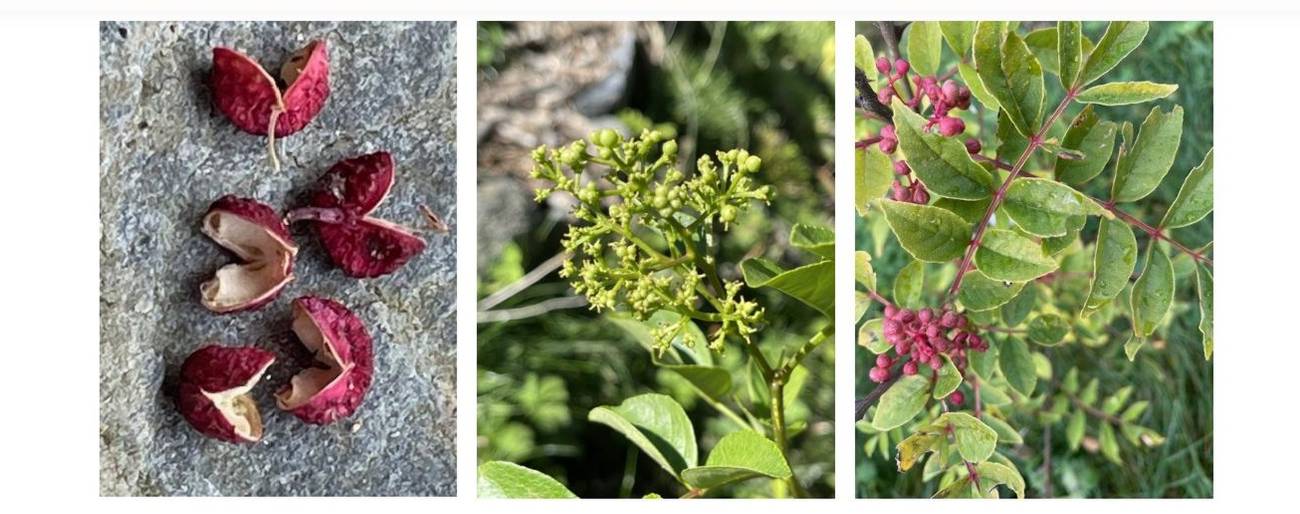
Unlike traditional tropical pepper, Courchevel pepper comes from a shrub called zanthoxylum, or prickly ash, native to the mountains of Asia. Van Cleef selected around ten species, but now focuses mainly on two, chosen for their resistance to climatic conditions and their ability to produce unique aromas and essential oils.
Terroir and Growing Techniques: The Key to Success
The plantation is located on a north-facing slope (ubac), benefiting from cool soil and generous sunlight. This exposure not only favours the shrub’s growth but also optimises the pepper’s richness in phenols and antioxidants. Van Cleef emphasises the importance of this specific terroir — a clay-schist soil — which gives Courchevel pepper its distinctive taste.
The First Harvest: A Step Towards Excellence
Last autumn saw the first harvest. Though modest in quantity, it was promising in quality. Van Cleef compares the experience to growing your own tomatoes: a unique satisfaction and an incomparable taste. Courchevel pepper is characterised by an intense aroma and a slight numbing sensation, typical of Sichuan peppers, with citrus notes — particularly lime and grapefruit. Courchevel pepper has just been mentioned by the Michelin Guide in its review of the La Bouitte restaurant in Saint-Martin-de-Belleville.
The Future of Courchevel Pepper: A Local and Gourmet Opportunity
Courchevel’s starred chefs have shown immediate interest in this unique pepper. Van Cleef envisions a future in which locally grown produce, such as his pepper, becomes a key element of the resort’s gastronomy. The growing demand from chefs for quality local products confirms this trend.
Ecological and Cultural Impact: Reviving Courchevel’s Terroir
Van Cleef points out that Courchevel’s slopes, once rich in orchards and varied crops, were gradually overtaken by forest. His pepper project is part of a broader effort to restore these lands and the local biodiversity.
Towards a Promising Future: The Rise of Courchevel Pepper
Around 400 shrubs are currently under cultivation, with the goal of significantly increasing production in the coming years. Growing interest from professionals, along with demand for the shrub’s dried leaves — valued for their distinctive aromatic properties — confirms the project’s potential.
Conclusion: A Unique Pepper at the Heart of the Alps
Jean-François Van Cleef’s journey and his bold initiative are revolutionising not only Alpine agriculture but also Courchevel’s gastronomy. Courchevel mountain pepper is a striking example of how passion, innovation and respect for the terroir can transform a traditional product into an exceptional culinary specialty.
Source: https://www.poivredecourchevel.com/